
The Evolution of Digital Cinema Cameras: From Broadcast Roots to the Future of Filmmaking
The history of digital cinema cameras is a story of rapid technological transformation, artistic reinvention, and continuous disruption. What began as a broadcast-focused experiment has become the foundation of modern filmmaking, shaping everything from independent shorts to major Hollywood productions, virtual production stages, and AI-driven workflows. As we move further into 2025, understanding this evolution helps filmmakers appreciate where digital cinematography came from — and where it’s heading next.
1. Broadcast Beginnings: Where Digital Cinema Was Born
Digital cinema originated in the world of video, not film.
Early Digital Video Cameras
Early prosumer cameras such as the miniDV camcorder, Canon XL1, and Sony PD150 introduced accessible digital acquisition and laid the groundwork for modern workflows.
Adapting Cinema Lenses
The P+S Technik Mini-35 and Pro-35 adaptors allowed filmmakers to mount cinema lenses onto small-sensor video cameras, introducing film-like depth of field before large-sensor digital cameras existed.
The Panasonic DVX100
The DVX100 revolutionised independent filmmaking by offering 24p recording, enabling digital footage to mimic the cadence of film.
2. Sony and the Rise of CineAlta
Sony HDW-F900
Released in 1999, the HDW-F900 became the first HD 24p CineAlta camera and was used to shoot “Star Wars: Episode II – Attack of the Clones,” marking a major shift toward digital cinema.
Continued Innovation
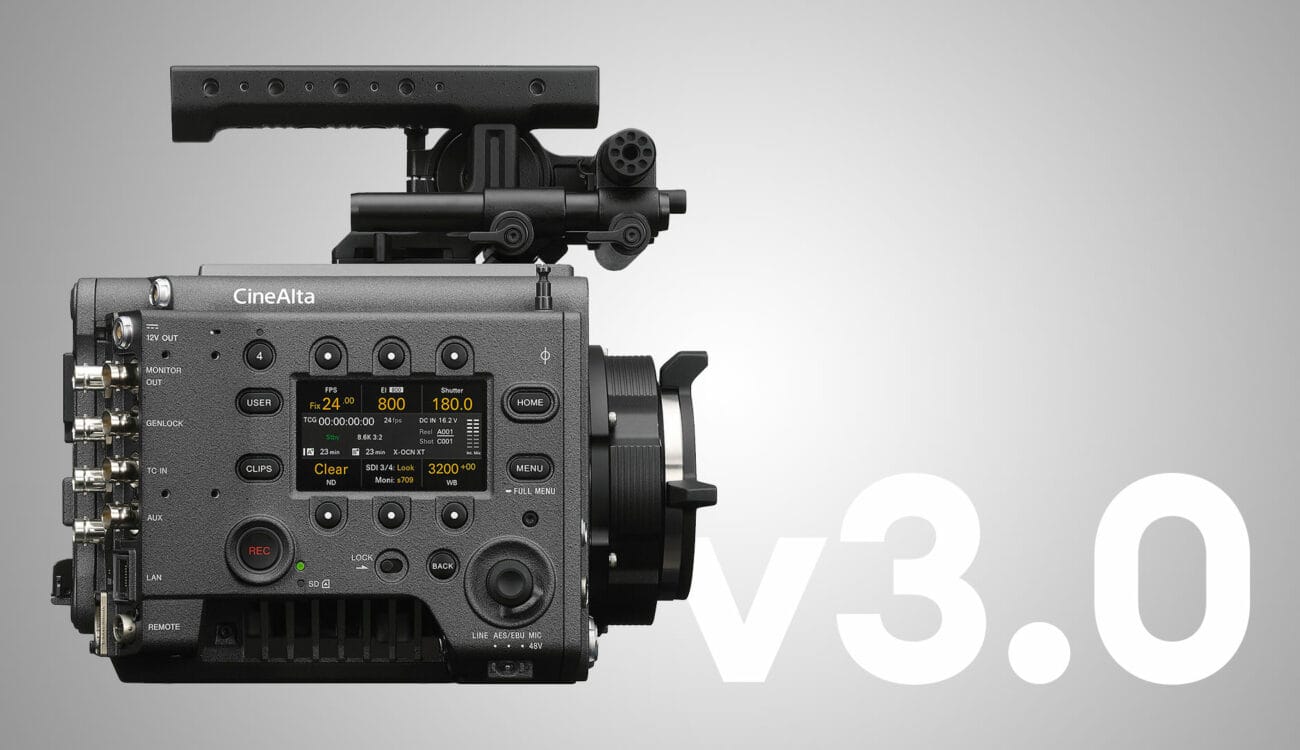
Sony expanded the CineAlta line with cameras offering improved color science, dynamic range, and workflow efficiency across the 2000s and 2010s.
3. Dalsa, RED, and Industry Disruption
Dalsa Origin
The Dalsa Origin (2003) was the world’s first 35mm-sized 4K digital cinema camera, demonstrating the potential of high-resolution digital imaging.
RED Digital Cinema
RED revolutionised the industry with the RED One, introducing modular design, raw recording, and high-resolution sensors that changed cinematography workflows worldwide.
4. Sensor Technology Breakthroughs
CCD to CMOS
The shift from CCD to CMOS sensors improved low-light performance, dynamic range, power efficiency, and frame rates.
Super 35 to Large Format
Digital cinema stabilised around Super 35mm sensors in the 2010s before expanding into large-format cameras capable of 5K, 6K, 8K, and beyond.
5. Major Milestones in Digital Cinematography
- “Windhorse” (1996): The first feature shot and post-produced digitally.
- “Slumdog Millionaire” (2009): The first digitally shot film to win the Academy Award for Best Cinematography.
- 2013–2016: Digital overtook film, reaching over 90% of major productions by 2016.
6. The Evolution of Lens Technology
The transition to 4K and higher-resolution sensors required lenses capable of greater resolving power. Modern digital cinema glass from ARRI, ZEISS, Canon, Cooke, Sigma, and Panavision now offers coatings and performance optimised for HDR and large-format imaging.
7. Major Brands and Their Contributions
- Sony: Pioneers of CineAlta and high-end digital imaging.
- ARRI: Industry standard for color science and dynamic range.
- RED: Innovators in resolution, modularity, and raw workflows.
- Panavision: Advanced sensors and premium lens systems.
- Canon, Panasonic, JVC: Broadening digital cinema across multiple markets.
- Vision Research: Leaders in high-speed cinematography.
8. The Future of Digital Cinematography (2025 and Beyond)
AI and Computational Cinematography
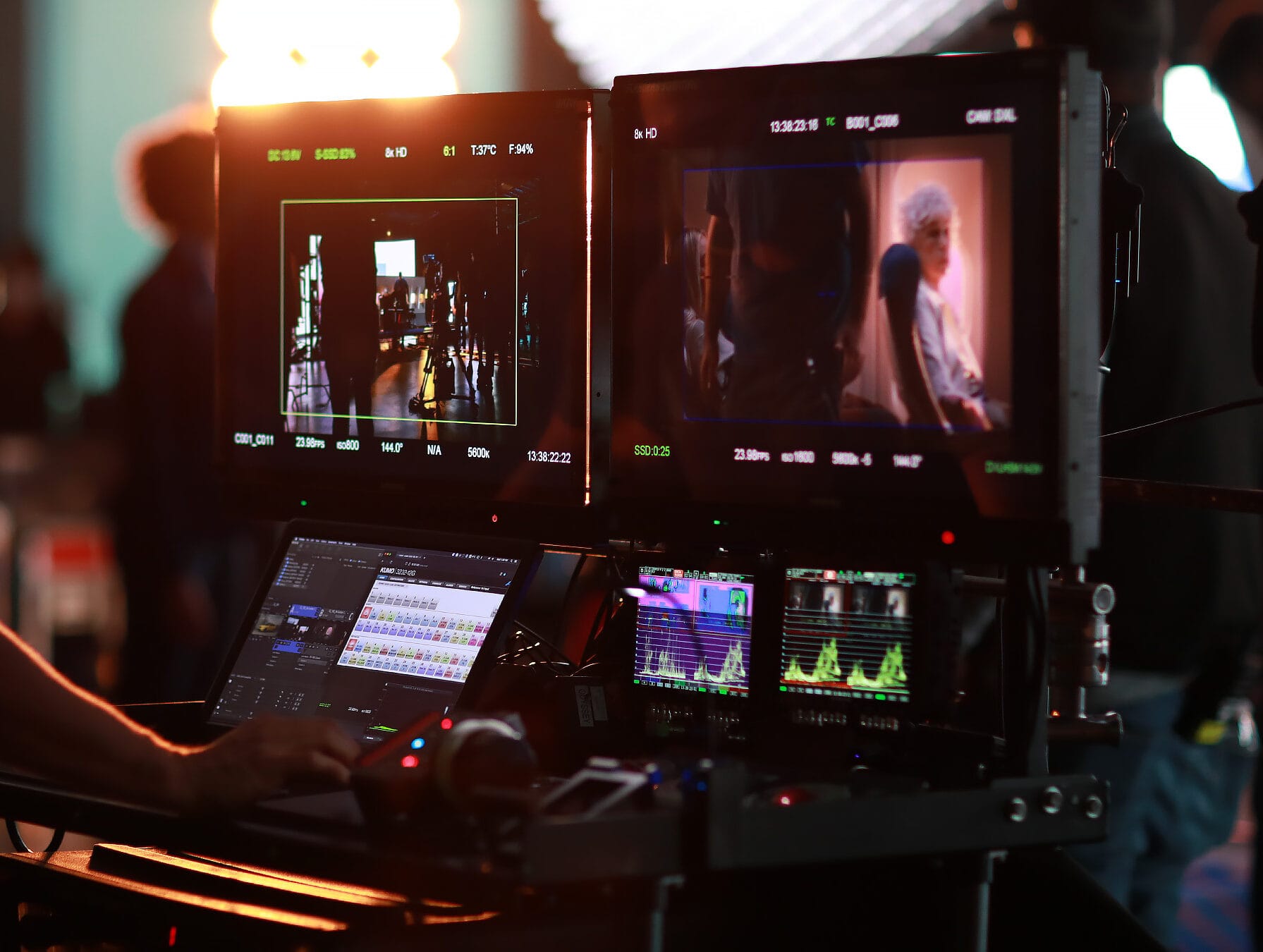
AI is now integrated into autofocus, noise reduction, dynamic range extension, metadata automation, and real-time on-set tools.
Virtual Production Integration
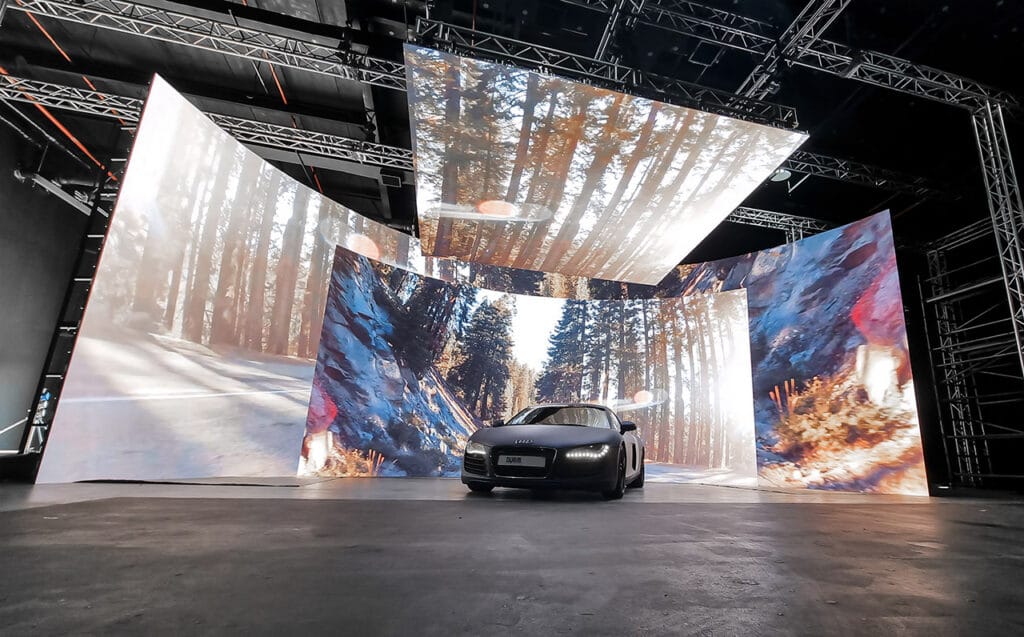
Digital cinema cameras play a key role in LED-volume workflows, real-time rendering, camera tracking, and in-camera visual effects.
Sustainable and Modular Design
Manufacturers are focusing on repairability, longevity, and energy efficiency.
Creative Flexibility
Modern digital cameras can mimic film characteristics more convincingly, expanding artistic possibilities.
Conclusion
From broadcast camcorders to today’s advanced large-format, AI-enhanced digital cinema systems, the evolution of digital cameras marks one of the most significant transformations in film history. In 2025 and beyond, ongoing innovation will continue to expand the visual and creative possibilities of cinematic storytelling.