Virtual Production: How It Works and Why It Matters
Virtual production is a cutting-edge approach to filmmaking that blends physical sets with real-time digital environments. Instead of shooting everything on location or against a green screen, filmmakers can now step into fully realised virtual worlds while still on set. This changes not only how images are created, but how directors, DPs, DITs, and actors work together.
Here’s a breakdown of how virtual production works and the key technologies behind it.
Core Components of Virtual Production
LED Volume Studios
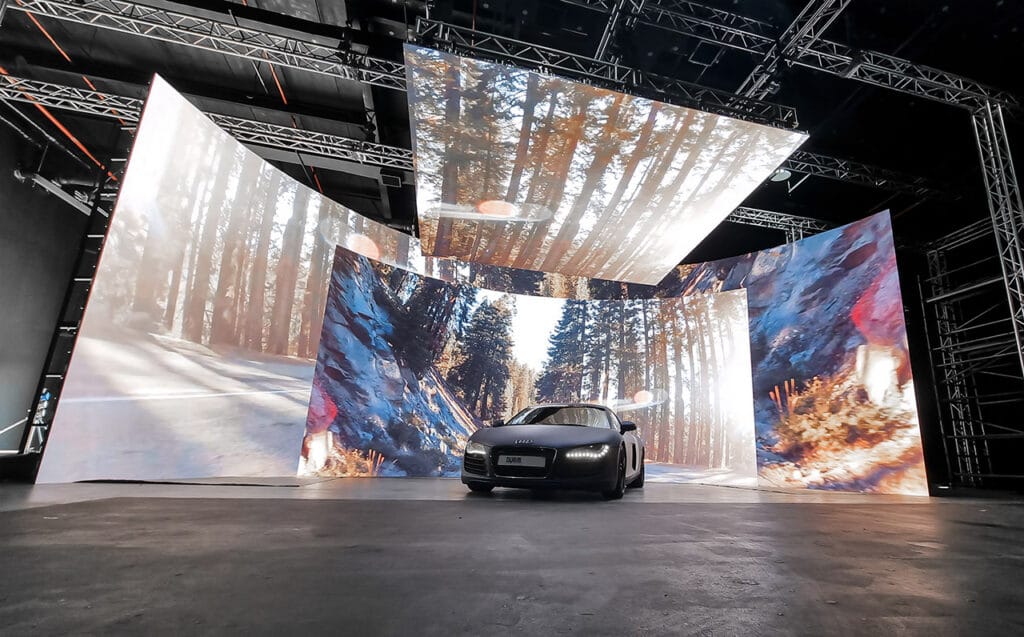
At the centre of modern virtual production are LED volume stages: large walls (and sometimes ceilings) of high-resolution LED panels arranged in a curved or circular configuration. These screens display digital environments in real time, providing actors and crew with a believable, immersive backdrop. Instead of imagining a world that will be added later in post, everyone on set can actually see it.
Real-Time Rendering Engines
Game engines such as Unreal Engine are used to render 3D environments live as the camera rolls. Originally developed for video games, these engines are now powerful enough to generate photorealistic landscapes, cities, and interiors. Because everything updates in real time, directors can adjust lighting, time of day, or environmental details directly on set.
Motion Capture and Performance Capture
Motion capture systems track the movement of actors and translate it to digital characters. Performance capture takes this further by recording facial expressions and subtle gestures. Together, they allow CG characters to feel grounded, expressive, and emotionally believable.
Camera Tracking Systems
Camera tracking is essential for selling the illusion. Tracking systems constantly monitor the camera’s position, tilt, pan, zoom, and lens data. This information is fed into the rendering engine so that the virtual background shifts perspective correctly as the camera moves, creating accurate parallax and making real and virtual elements sit together convincingly.
The Virtual Production Workflow
Previsualization (Previs)
Before shooting, filmmakers build rough 3D versions of sets, environments, and key shots. Previs helps directors and cinematographers plan camera moves, compositions, and action beats. In virtual production, these previs assets often evolve into the final environments used on the LED volume.
Simulcam
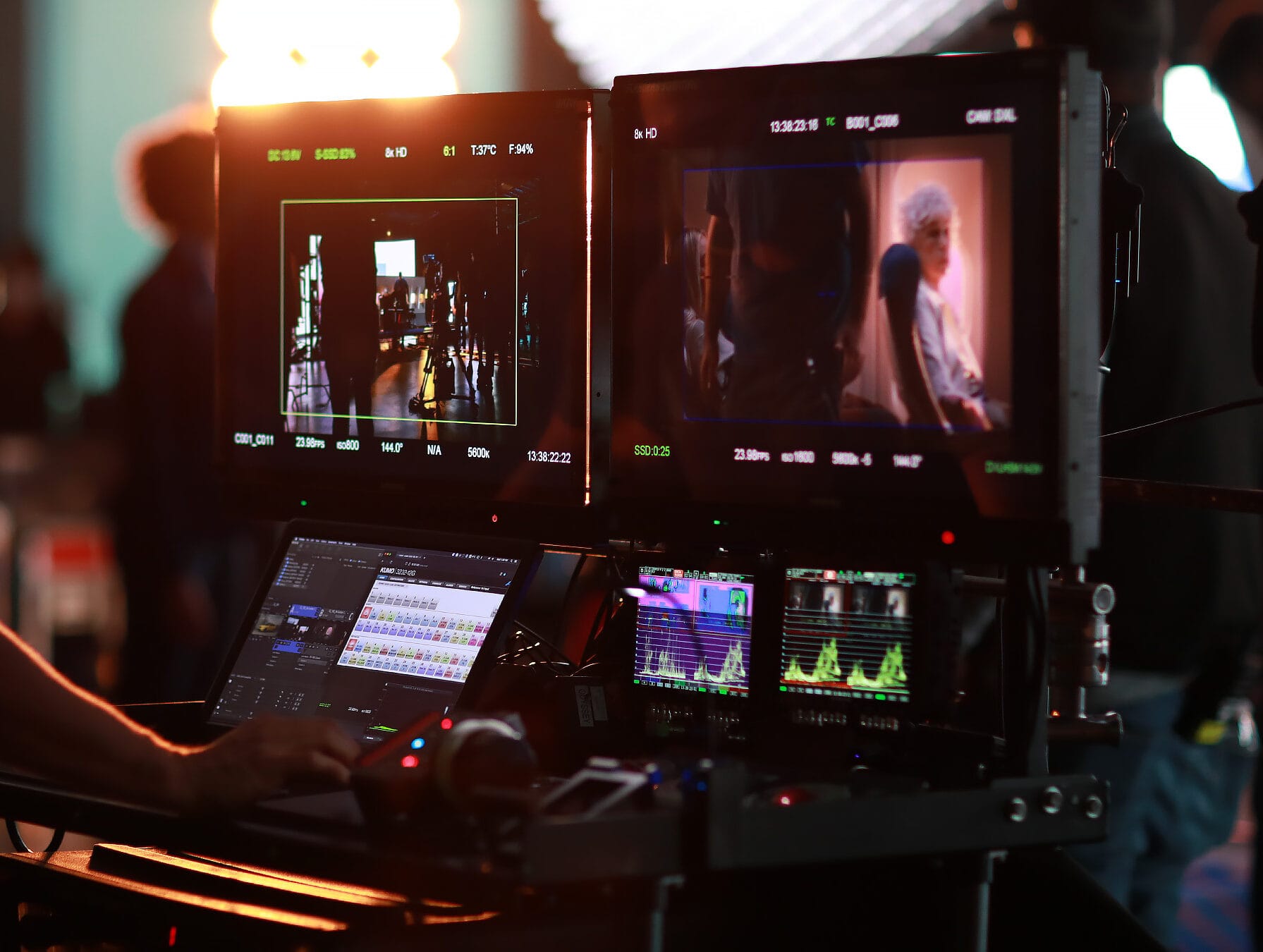
Simulcam technology overlays CG elements onto the live camera feed in real time. On set, this lets the director see actors, props, and digital environments combined in the viewfinder or monitor instead of waiting for post-production. It’s particularly useful for framing complex VFX shots and coordinating performances.
In-Camera Visual Effects (ICVFX)
One of the biggest advantages of virtual production is capturing visual effects directly in-camera. With LED walls displaying the environment, reflections, lighting, and atmospherics are baked into the image at the moment of capture. This reduces reliance on green screens and can significantly cut down on post-production work, while also giving actors something real to respond to.
Real-World Examples
Avatar
James Cameron’s Avatar used a virtual camera system that allowed him to move through a digital environment as if he were operating a physical camera on a set. Combined with extensive performance capture, it laid the groundwork for many virtual production techniques used today.
The Mandalorian
The Mandalorian is one of the most well-known examples of LED volume virtual production. Using StageCraft, developed by Industrial Light & Magic, the show projected dynamic 3D environments onto giant LED walls. This approach produced realistic lighting on costumes and props, and gave filmmakers precise control over locations and time of day.
The Lion King (2019)
Jon Favreau’s adaptation of The Lion King used virtual reality tools to “scout” and “shoot” inside a fully digital savanna. Filmmakers could walk through the virtual set in VR, plan shots, and experiment with camera moves just as they would on a physical location.
Future Developments and Trends
AI and Machine Learning
AI is poised to speed up environment creation, automate certain aspects of lighting and rendering, and help generate complex worlds more efficiently, further reducing time and cost.
Live Events and Broadcast
Virtual production techniques are increasingly being used in live concerts, esports, and broadcast studios, enabling flexible, ever-changing virtual sets without physically rebuilding stages.
Greater Accessibility
As hardware becomes more affordable and software tools more user-friendly, virtual production is gradually moving beyond big studios and into the hands of smaller teams and independent creators.
Sustainability
By reducing the need for travel, large builds, and multiple physical locations, virtual production can lower the carbon footprint of a production. Fewer set builds and flights mean a more sustainable way to create ambitious worlds.
Conclusion
Virtual production represents a major evolution in how visual stories are made. By combining real-time rendering, LED volumes, motion capture, and camera tracking, it brings digital worlds onto the physical set. The result is a more collaborative, efficient, and visually powerful way to tell stories—one that will continue to reshape film, television, and live media in the years to come.