The Importance of Color Science in Film and Media Production
Color science is one of the most important foundations of modern filmmaking. It shapes how color is captured, managed, and reproduced from the moment light hits the camera sensor to the final image seen on any screen. When used properly, color science enhances storytelling, protects creative intent, and ensures visual consistency across an entire production.
As a Digital Imaging Technician (DIT), I work directly within this process on set, helping bridge the gap between the creative vision and the technical pipeline that supports it.
1. Camera Color Reproduction — Where It All Begins
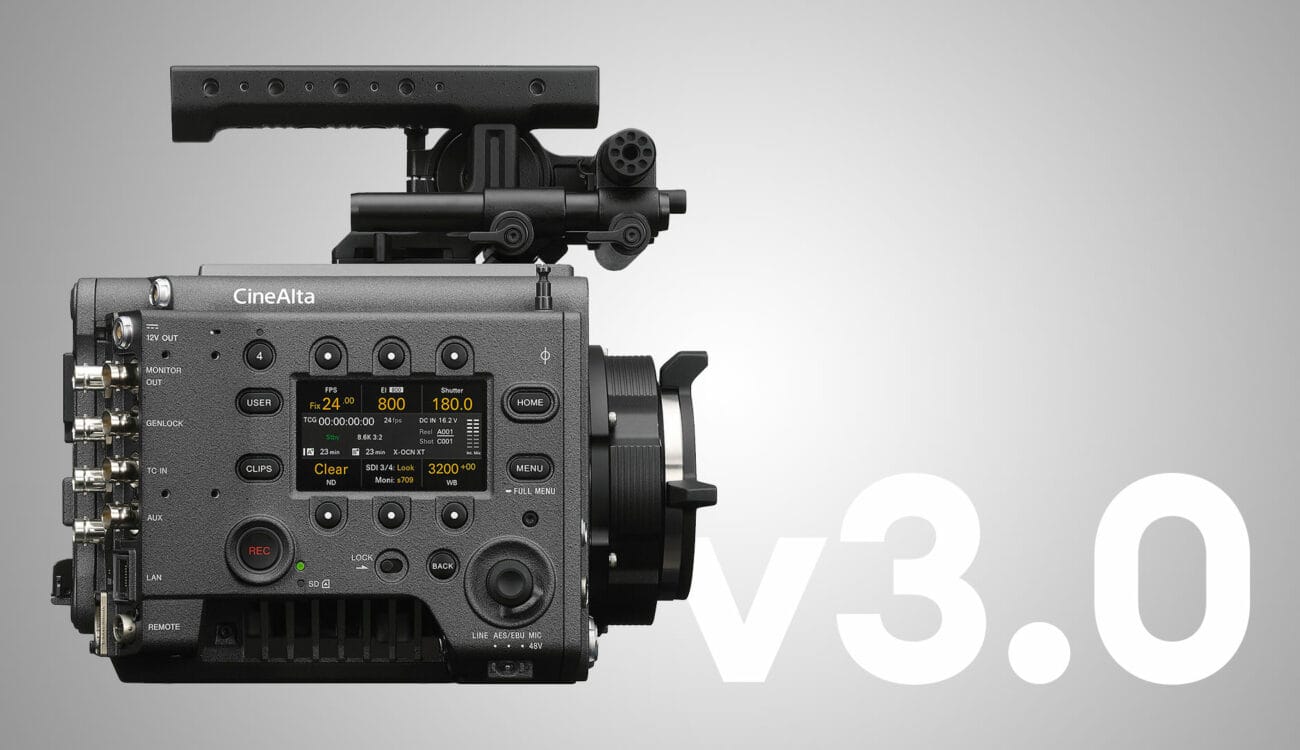
Every camera system has its own unique color science. Some sensors lean toward warmer tones, others toward cleaner highlights or deeper contrast. These characteristics influence how skin tones, fabrics, and lighting look before any grading or post-production begins.
On set, part of my responsibility as a DIT is to:
- evaluate how the camera interprets color in the actual lighting conditions
- ensure the monitoring pipeline shows an accurate representation of the intended look
- advise the DP on how the chosen camera will behave throughout the grade
This helps maintain a reliable foundation so that what the director and cinematographer see on set will carry through to the final image.
2. Color Grading and Look Development
Color grading is where the emotional tone of a project is refined. It can make a scene feel warm and intimate, cold and unsettling, or vibrant and stylized. While grading happens in post-production, the groundwork for a successful grade starts on set.
I support this process by:
- creating or managing show LUTs and CDL adjustments
- ensuring consistent looks across cameras and shooting days
- communicating the DP’s intentions clearly for dailies and post
When the look is shaped early and monitored properly, the editor, colorist, and VFX teams all receive footage that reflects the creative decisions made on set.
3. Dynamic Range, Contrast, and Highlight Protection
Modern cameras capture exceptional dynamic range, but only when handled correctly. Good color science ensures:
- highlights roll off smoothly
- shadows retain detail
- color separation stays clean
- extreme lighting feels realistic, not electronic
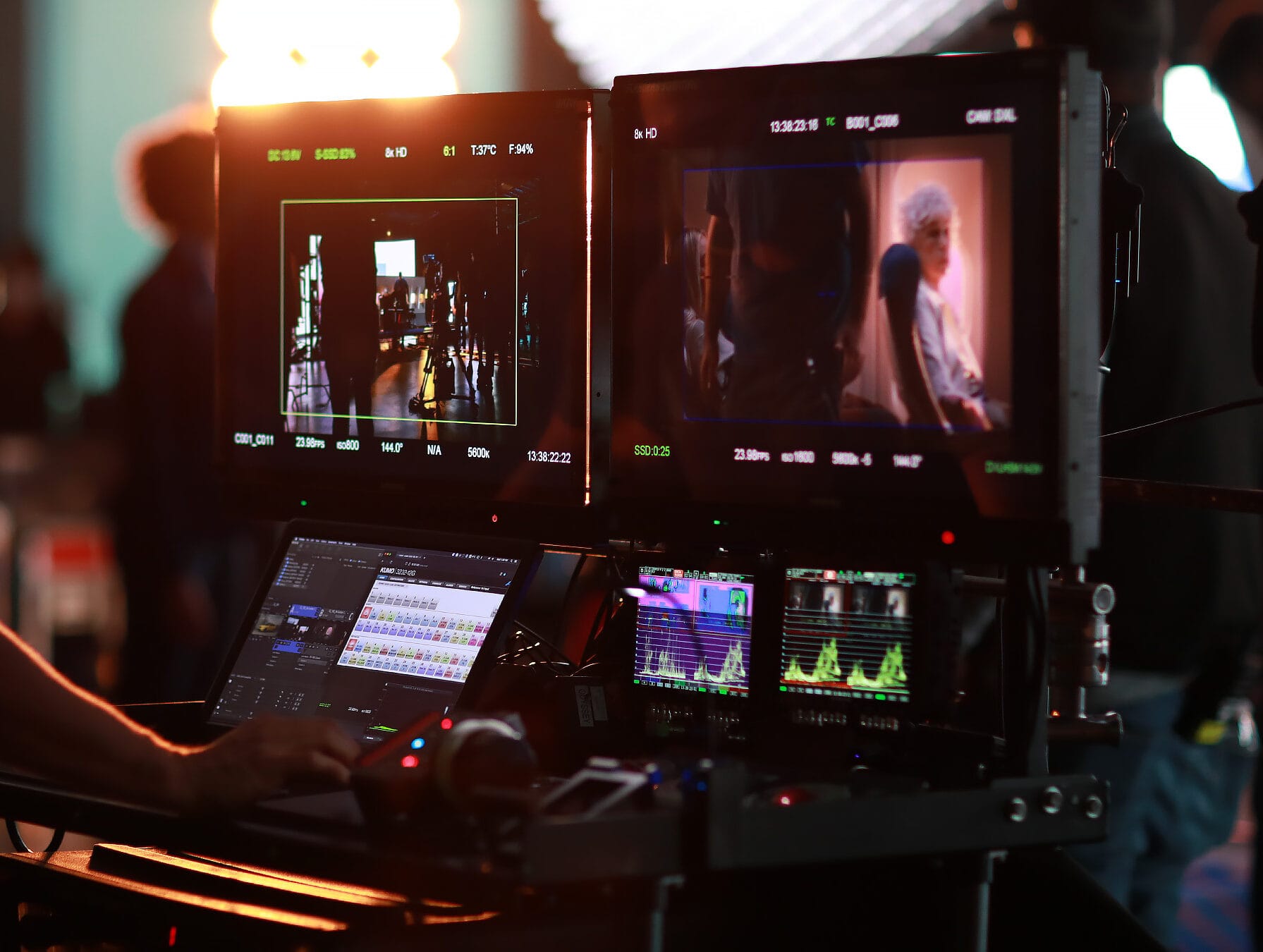
As a DIT, I monitor exposure and image integrity in real time using scopes, calibrated monitors, and metadata analysis. Protecting highlight detail or preserving color information can save hours of work later in the grade — and prevent costly reshoots.
4. Ensuring Consistency Across Screens and Departments
From onset monitors and client displays to smartphones, tablets, and cinema projectors, every screen shows color differently. Without a controlled workflow, a shot that looks perfect in the grading suite might appear washed out or overly saturated somewhere else.
Color science provides the transforms, calibration, and color spaces (Rec.709, DCI-P3, HDR formats, etc.) needed to keep images consistent.
On set, I help ensure:
- monitors are calibrated
- the chosen color space or workflow (ACES or custom) is followed
- VFX and post teams receive correct metadata and color references
- multi-camera setups match seamlessly
This gives everyone—from cinematographers to producers to clients—confidence that the intended image will translate across all deliverables.
5. Color and Emotional Storytelling
Beyond its technical function, color is one of the most powerful storytelling tools. It can:
- create atmosphere
- indicate time and place
- subtly shift audience emotion
- reinforce character arcs
Warm tones can convey comfort or nostalgia, while cooler hues can suggest tension or isolation. A strong color pipeline allows these creative choices to be executed consistently from set through the final grade.
6. The Future: HDR, Wide Gamut, and Virtual Production
As filmmaking evolves, color science becomes even more important. New technologies—HDR workflows, wide-gamut color spaces like Rec.2020, LED volume stages, and multi-deliverable pipelines—demand precision and consistency from the very beginning of production.
A modern DIT plays a crucial role in helping productions navigate these complexities:
- ensuring correct monitoring in HDR
- managing color space transforms for VFX
- handling metadata for multi-format delivery
- maintaining color accuracy in LED environments
These steps protect the creative vision in an increasingly complex landscape.
Conclusion
Color science is not just a technical necessity — it’s a key element of visual storytelling. It ensures that the creative intent established by the director and cinematographer survives every stage of production.
By guiding color workflows on set, a DIT helps build the foundation for consistent, emotionally resonant, and visually cohesive images. As the industry continues to grow more advanced, the importance of color science — and of maintaining a reliable color pipeline — only becomes greater.