
Color-Critical & Calibrated Monitors on Set (2025 Update)
In modern film and television production, accurate color monitoring is no longer optional—it’s essential. With HDR workflows, wide-gamut color spaces, and high-bit-depth acquisition becoming standard in 2025, color-critical and properly calibrated monitors form the backbone of reliable on-set decision-making. For directors, cinematographers, and especially DITs, these monitors ensure that what is captured on set truly reflects the creative intent.
Why Color Accuracy and Bit Depth Matter
True-to-Life Color Reproduction
Professional monitors are engineered to reproduce color with exceptional accuracy, allowing crews to make confident creative and technical decisions. Bit depth plays a major role here:
- 10-bit and 12-bit displays provide smoother gradients, reduced banding, and more precise tonal transitions.
- Higher bit depth is essential for HDR monitoring (PQ/HLG) and wide gamuts like DCI-P3 or Rec.2020.
- On-set monitoring accuracy directly impacts the final grade, especially for stylized looks or high-contrast lighting setups.
Consistency and Continuity Across Shooting Days
Lighting conditions may change, but the image needs to stay consistent. A calibrated monitor ensures the same color response every day, regardless of environmental differences. High-bit-depth monitors provide more stable, reliable viewing when matching shots across multiple cameras or locations.
Real-Time Creative Feedback
Cinematographers rely on these monitors to judge exposure, color separation, skin tones, and highlight roll-off. A high-bit-depth monitor displays the sensor’s full tonal range more accurately, enabling:
- better assessment of lighting ratios,
- more accurate monitoring of LOG or RAW images,
- immediate evaluation of LUTs, CDLs, or on-set grades.
Calibration: The Foundation of Reliable Monitoring
Regular Calibration
Even high-end monitors drift over time. Regular calibration aligns them to industry standards such as:
- Rec.709 for SDR/HD work,
- DCI-P3 for cinema workflows,
- Rec.2020 & PQ for HDR acquisition.
Why Bit Depth Matters During Calibration
Calibration ensures the monitor displays the full color range and tonal detail available within its bit depth. For 12-bit displays, this means extremely fine color gradation and precise shadow/highlight rendering—a must for HDR or high-dynamic-range capture.
On-Set Uses for Color-Critical Monitors
Director’s Monitor
A calibrated SDR or HDR monitor gives directors a trustworthy preview of the final image. High bit depth ensures subtle color details—skin tones, fabric textures, lighting shifts—are accurately reproduced.
Video Village
Producers, script supervisors, and department heads rely on consistent color representation. A high-bit-depth monitor reduces misinterpretation of lighting or color design, improving communication and decision-making.
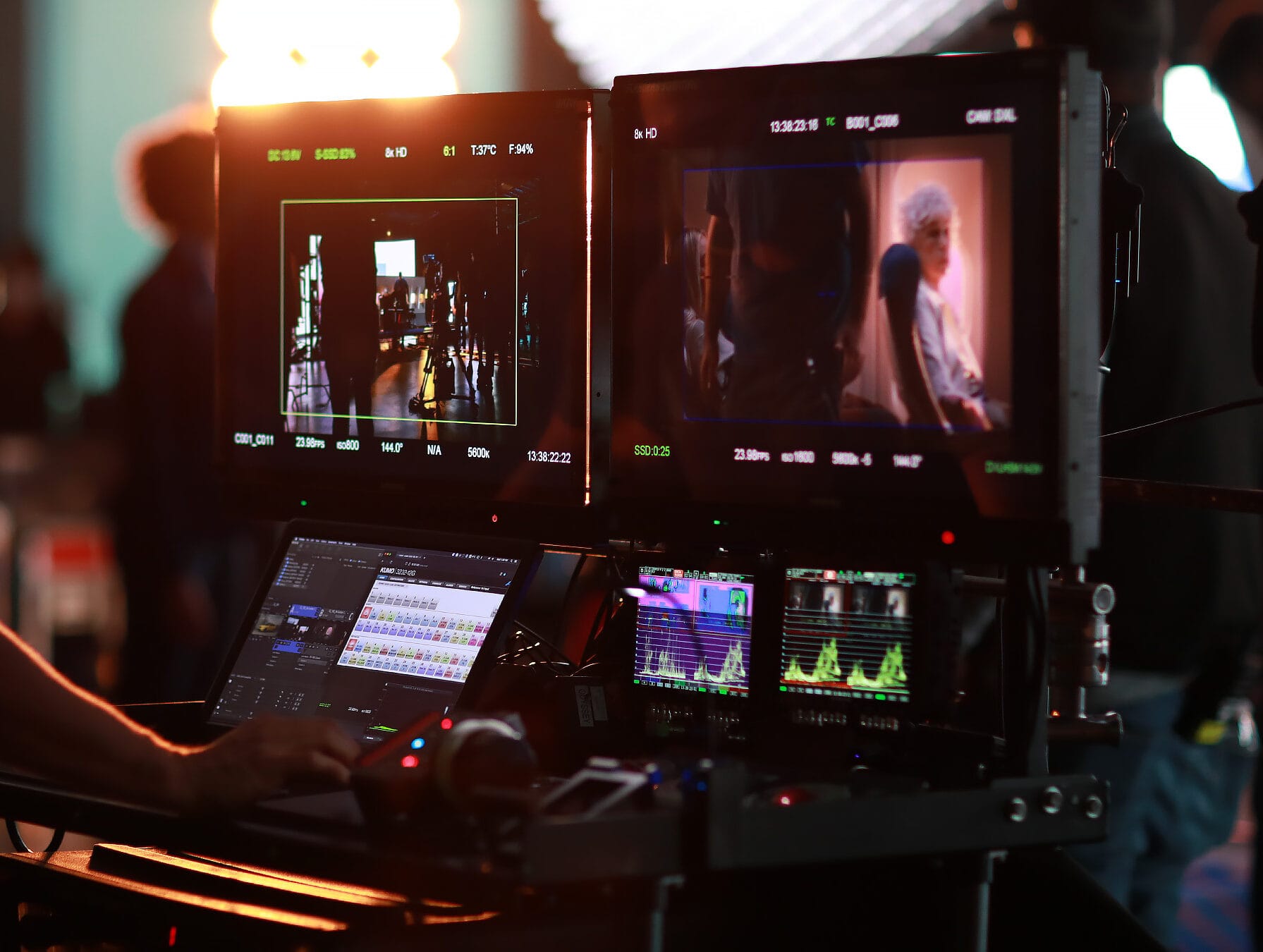
DIT Station
The DIT is the guardian of image integrity on set. At the DIT cart, a calibrated, high-bit-depth monitor enables:
- precise on-set color grading (LUTs, CDLs, HDR transforms),
- exposure evaluation using scopes and real-time metadata,
- color-accurate dailies preparation,
- monitoring both SDR and HDR outputs simultaneously, when needed.
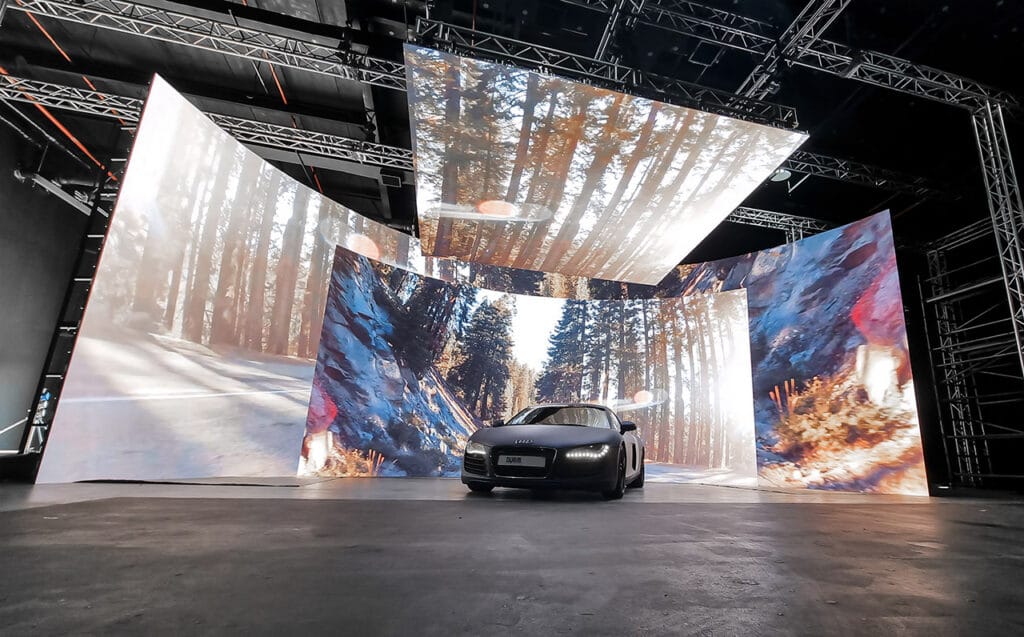
With virtual production, LED volumes, and HDR workflows increasingly common in 2025, the DIT’s color-critical monitoring setup ensures that what is seen in-camera matches the intended final look.
Looking Ahead: Monitoring in 2025 and Beyond
- HDR-first productions demand monitors capable of accurate PQ/HLG reproduction at 1,000 nits or more.
- Wide-gamut workflows (P3 / Rec.2020) require displays capable of true wide-gamut coverage.
- Remote monitoring (via 5G and low-latency streaming) is becoming more accurate thanks to 10-bit proxy feeds.
- AI-driven calibration tools are emerging, automating drift detection and color profiling.
Conclusion
Color-critical, calibrated monitors—especially those capable of 10-bit or 12-bit precision—are essential tools in contemporary filmmaking. They allow directors, cinematographers, and DITs to evaluate images accurately, maintain visual continuity, and protect creative intent from capture through final delivery. As workflows grow more complex with HDR, wide gamuts, and virtual production, reliable color monitoring is more important than ever.