
In the dynamic field of digital cinematography, the choice of camera significantly influences the visual storytelling. Red, Arri, and Sony stand as titans in this arena, each offering unique color science that shapes the aesthetic of cinematic productions. This detailed comparison explores the intricacies of Red’s versatility, Arri’s naturalistic approach, and Sony’s balanced color rendition, providing filmmakers with critical insights for their camera selection.
Understanding the Color Science:
1. Red Cameras:
- Color Science & IPP2: Red cameras, particularly with their IPP2 technology, offer advanced color accuracy and consistency. This system facilitates a high degree of control over color and tonal response, enabling predictable and uniform outputs.
- Skin Tones and Textures: These cameras excel in rendering sharp details and complexions, making them ideal for productions where clarity and detail are crucial.
- HDR and Wide Color Gamut: Red supports HDR and a wide color gamut, ensuring vivid colors and detailed representation in both extreme highlights and shadows.
2. Arri Cameras:
- Log-C Color Space: Arri’s Log-C is designed to mimic film characteristics, providing a gentle highlight roll-off and extended shadow detail. This logarithmic curve contributes to its film-like, organic output.
- Color Fidelity and Natural Look: Arri, especially the ALEXA series, is known for accurate and natural color reproduction, effective even in challenging lighting.
- Low-Light Performance: These cameras maintain color integrity and minimize noise in low-light conditions, essential for mood and atmosphere.
3. Sony Cameras:
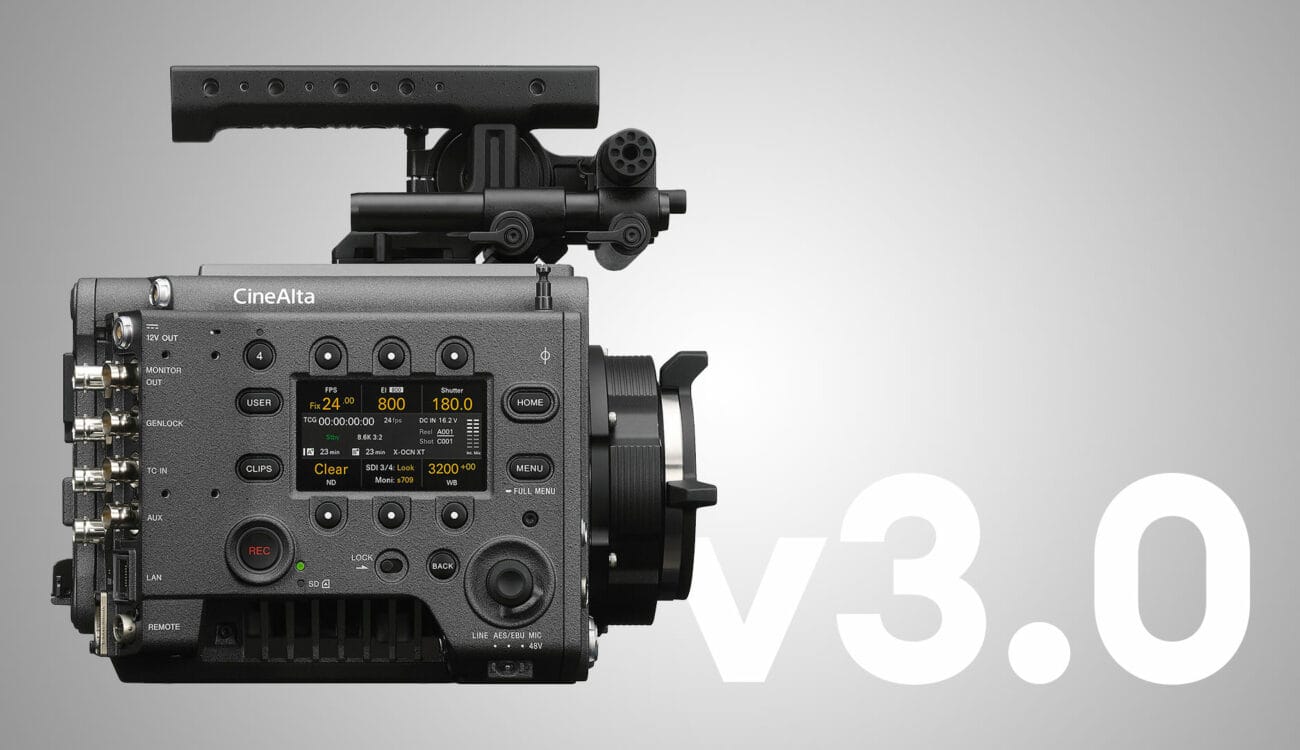
- S-Log Profiles: Sony’s S-Log profiles offer a flat image for capturing extensive detail across a wide dynamic range, enhancing post-production flexibility.
- Versatility: Sony cameras adapt well to various production types, from broadcast to independent filmmaking.
- Consistent Color Reproduction: They consistently handle color reproduction across different lighting conditions, maintaining reliable output.
Comparative Analysis:
In-Camera Color Rendering:
- Red is favored for its crisp, clear image quality and vibrant color rendering, suitable for VFX-heavy projects.
- Arri stands out for its cinematic, natural look, especially in capturing skin tones and subtle hues.
- Sony offers a realistic yet customizable image, adaptable to various filmmaking styles.
Post-Production Flexibility:
- Red’s IPP2 allows for extensive color grading, ideal for genres needing stylized visuals.
- Arri’s Log-C usually requires less color correction, saving time in post-production, and is preferred for projects seeking a natural look.
- Sony’s S-Log provides a versatile base for both subtle and creative color grading.
Workflow and Usability:
- Red offers advanced grading options, requiring a higher skill level in post-production, but gives unparalleled control to experienced colorists.
- Arri’s simpler workflow is beneficial for tight schedules or budgets, with excellent out-of-the-box color fidelity.
- Sony balances flexibility and ease of use, fitting a broad range of production teams and post-production workflows.
The choice between Red, Arri, and Sony cameras is multi-faceted, involving considerations such as the desired project look, lighting conditions, post-production resources, and genre requirements. Red excels in advanced color grading and high-detail captures, ideal for high-end commercial and cinematic work. Arri is favored for its natural, film-like quality, especially in narrative cinema. Sony offers a versatile option, suitable for various projects, balancing natural color rendition with post-production adaptability. A deep understanding of these color science nuances is essential for filmmakers to align their camera choice with both the artistic and practical demands of their projects.