The Historical Journey of LUTs: From Early Days to Modern Mastery
LUTs, a cornerstone in the digital filmmaking realm, trace their lineage back to the dawn of computer graphics. Initially serving the pragmatic purpose of ensuring color consistency across various digital devices, LUTs found a new domain in filmmaking with the rise of digital cinematography. This transition marked the beginning of an era where LUTs became fundamental in interpreting and refining digital footage, bridging the gap between the camera’s capture and the final visual output.
Unpacking How LUTs Work: The Science Behind the Art
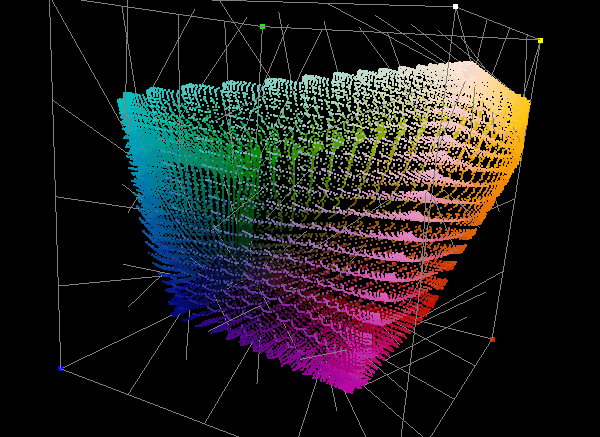
At their core, LUTs operate on a simple yet profound principle: they transform the color and tone of an image through a predefined mapping. This process is akin to translating the language of color from one dialect (input values) to another (output values), enabling a spectrum of applications from technical corrections to creative expression.
Delineating Technical vs. Creative LUTs: Tools of Precision and Imagination
- Technical LUTs are the unsung heroes behind the scenes, ensuring that the translation from a camera’s log color space to a standard color space like Rec. 709 is both accurate and consistent. They lay the groundwork for fidelity and uniformity in color representation.
- Creative LUTs, on the other hand, are the paintbrushes of the colorist, offering a palette of stylistic choices to evoke emotions, set the mood, or pay homage to classic film stocks. These LUTs embody the artistry of filmmaking, enabling creators to impart their unique vision onto their work.
Exploring the Types of LUTs: 1D and 3D LUTs Unveiled
- 1D LUTs focus singularly on brightness, offering a straightforward approach to color adjustment. Their simplicity, however, comes with limitations in versatility.
- 3D LUTs embrace complexity, manipulating hue, saturation, and brightness in a multidimensional dance. This allows for a more refined and comprehensive approach to color grading, opening up a world of creative possibilities.
LUTs vs. ‘Look’: Navigating the Nuances
LUTs serve as a powerful tool in the filmmaker’s kit, providing a foundational step towards achieving a desired ‘look’. However, they represent the beginning, not the entirety, of the journey. A ‘look’ encompasses the overall aesthetic vision of the film, crafted through a blend of color grading techniques, artistic decisions, and the creative use of LUTs. While LUTs offer a starting point or a consistent baseline, achieving a film’s final ‘look’ demands a broader application of color grading skills and an intimate understanding of the narrative’s visual goals.
Flexibility and Limitations: The Art of Using LUTs
LUTs, though transformative, are not a panacea. They offer a template but require the colorist’s touch to adapt and finesse the final image to align with the project’s unique requirements and creative direction. This adaptability underscores the importance of mastering LUTs not as a solitary tool but as part of a larger color grading symphony, where the harmony of technology and creativity brings a filmmaker’s vision to life.
The Integral Role of LUTs in Digital Storytelling
As digital filmmaking continues to evolve, the significance of LUTs in the post-production process remains undiminished. They stand at the intersection of technology and creativity, offering filmmakers and colorists a potent tool to shape the visual narrative of their projects. Understanding the intricacies of LUTs—grounded in their history, operational mechanics, and the delicate balance between achieving a ‘look’ and utilizing them as a tool—empowers professionals to push the boundaries of digital storytelling. Mastery over LUTs, combined with a comprehensive grasp of color grading, enables the crafting of unique visual stories that resonate deeply with audiences, continuing the timeless tradition of storytelling through the lens of modern technology